Go City
Redesigning the world’s largest sightseeing pass for clarity, trust and scale
Travel & Tourism
2021–2023
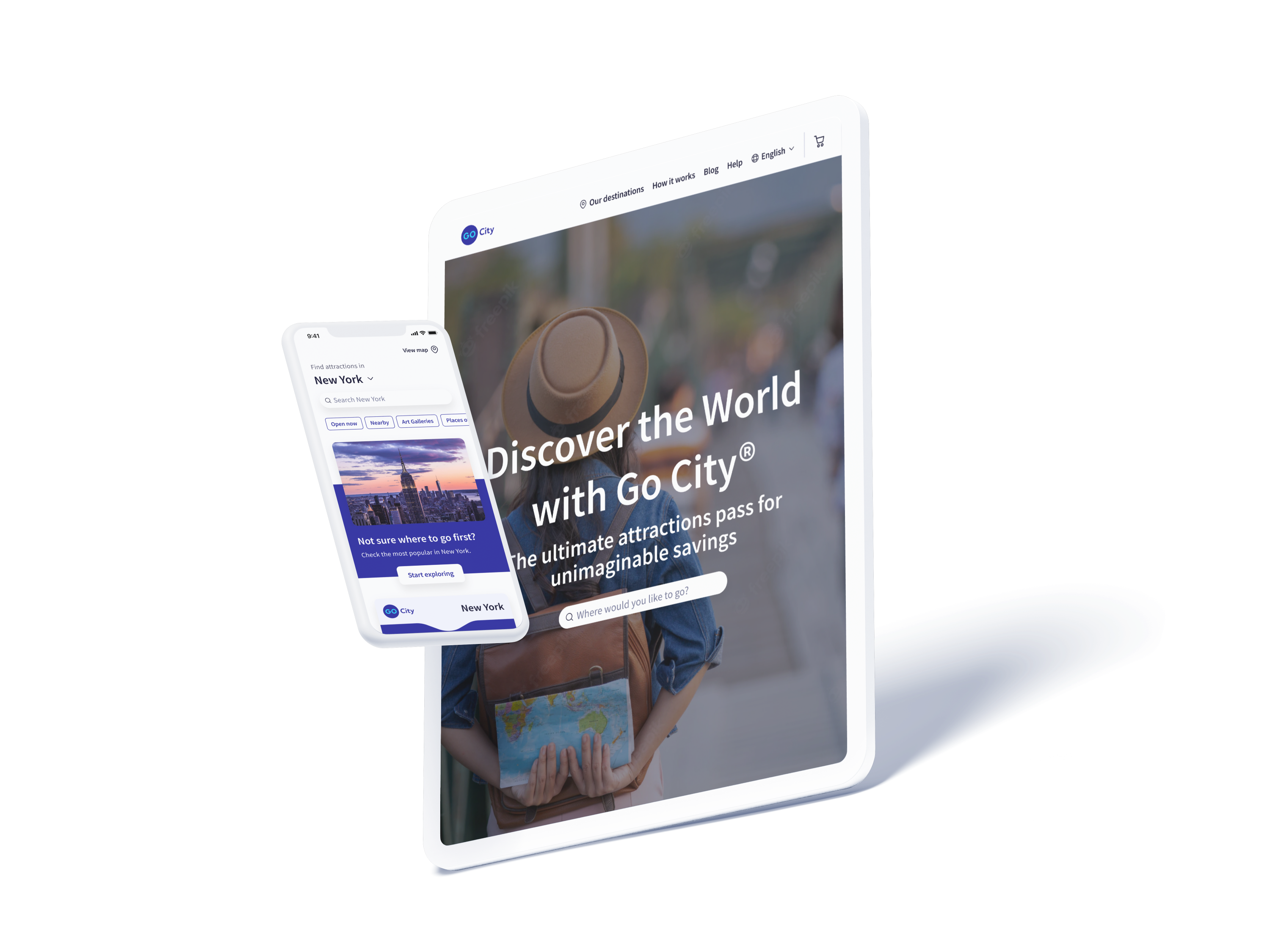
Before the redesign: every city felt like a different product, messaging was unclear and essential information was buried, making the journey feel uncertain and hard to trust.
What we unlocked

Faster decisions
Users could choose the right pass with confidence in under 30 seconds

Smarter discovery
Attraction-first IA matched real planning behaviour and reduced friction across the funnel

Higher trust
New trust moments increased perceived legitimacy and transparency

A helpful App
The app became a helpful travel companion rather than a confusing tool

Scalable System
The new design system created consistency across more than 30 cities

Faster delivery
Faster and more cost-effective design and development cycles

Product-Ready Brand
Brand system became accessible, coherent and product-ready
This was not a visual refresh. It was a complete product transformation across discovery, purchase, app usage, brand expression and design system foundations. The work required clarity, alignment and decisions that balanced user needs with business realities at a global scale.
How I led this work
I shaped the product direction across web, app and B2B by unifying insights from multiple teams into a single, scalable design system for 30+ cities.
Product direction anddesign leadership
Set the visual and interaction direction across platforms, ensured consistency, and guided other designers through new patterns and system foundations.
Co-owning theend-to-end experience
Worked closely with the Experience Design Lead to map journeys from discovery to purchase. We shaped flows, hierarchy and content behaviour, and rebuilt the IA around how travellers plan their trips.
Evolving the brand for product use
Translated marketing assets into an accessible digital language. Updated colour, type and component principles to work across all screens.
Building for scale
Created the design system powering web, app and B2B. Ensured reusable patterns, accessible components and faster delivery across surfaces and teams.
Embedding accessibilityand inclusivity
Drove AA standards across colour, typography and interactions. Coached teams on accessible decision-making throughout the project.
Cross-team alignmentand decision-making
Partnered with Brand, Marketing, SEO, Product and Engineering. Facilitated alignment, resolved conflicting proposals and created a shared vision for the experience.
Managing complexity acrossmultiple workstreams
Handled six problem areas running in parallel. Rebuilt trust patterns, clarified pass comparisons, redesigned the app, evolved the brand system and defined Now, Next and Later for long-term growth.
A multi-layered diagram showing how Foundation, Web, App and two Design Systems connect to the wider Brand Language and Global Design System. Surrounding the diagram are all contributing teams, highlighting cross-functional collaboration across Brand, Marketing, SEO, Product, Engineering, Legal and Design.
Clarity and Conversion
1. Making pass decisions simple
Travellers struggled to understand the difference between pass types and feared buying the wrong one.
After reviewing several conflicting proposals, I aligned stakeholders around a clearer direction and rebuilt the comparison experience from the ground up.
“I don't understand the difference between these passes. What if I buy the wrong one?”
Customer, usability testing
How we clarified it
- Side-by-side comparison that made pricing, features and included attractions easy to scan
- Clear behavioural explanation:
- Explorer = choose X attractions
- All-Inclusive = visit for X days
- Surface-level clarity for speed, with deeper detail available on demand
- Component structure scalable across every city page
Confident decisions in less than 30 seconds
The redesigned pass exploration flow helping users compare options and understand exactly what they're buying.
reshaping the IA
2. Giving people what they actually came for
Research and SEO data showed that travellers arrived looking for attractions, not passes. Yet the site forced them to start with pass types, making people work backwards.
I aligned Brand, SEO and Product teams around reshaping the IA to reflect real user intent and prioritised clarity over marketing density.
“I want to know what attractions I can visit, then decide if a pass is worth it.”
Customer, usability testing
How we redesigned it
- Rebuilt the IA so attractions became the primary entry point
- Immediate access to all attractions with filtering by category, location and opening times
- Curated itineraries for inspiration
- Clear pass eligibility indicators on each attraction
- Content structure designed to scale consistently across all cities
What changed
The journey aligned with how people actually think: “I want to visit attractions. A pass is simply the best way to do it.”
The new structure reduced friction, supported SEO and gave travellers a clearer mental model from the start.
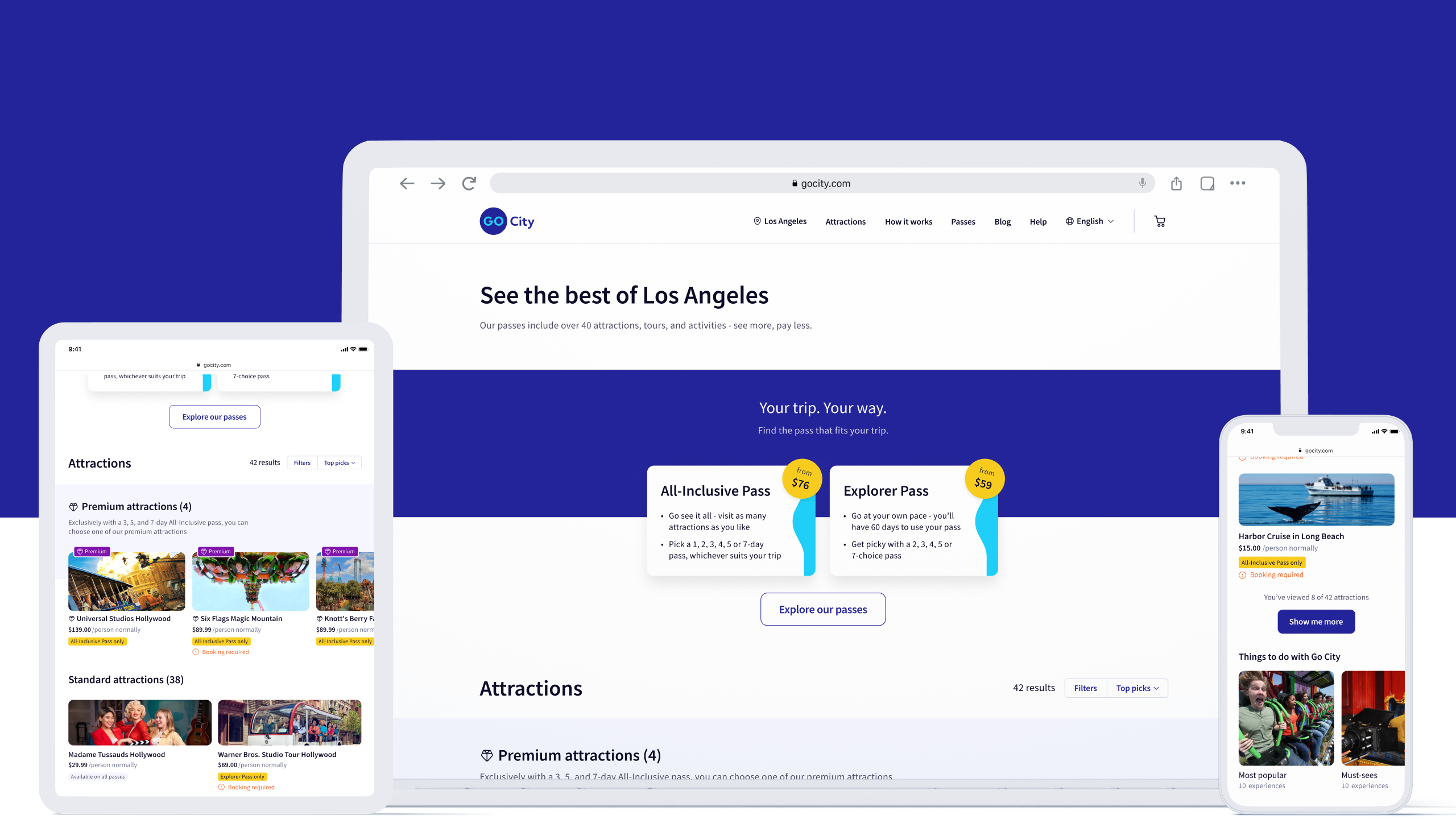
The redesigned city homepage: brief pass overview at the top, then attractions front and centre with clear pass indicators, curated itineraries for inspiration, and filtering by category and location.
Trust and Transparency
3. Confidence at every step
Hidden reviews, unclear terms and vague booking requirements made the experience feel untrustworthy. Users struggled to understand what they were paying for, and reassurance surfaced too late in the journey.
I partnered with Brand, Legal and Marketing to prioritise transparency over promotional copy and redesign the trust moments across the entire funnel.
“How do I know this isn’t a scam? The reviews feel hidden and the terms are confusing.”
Customer, usability testing
How we rebuilt trust
- Prominent Trustpilot integration with meaningful hierarchy
- A new “Buy with Confidence” module with 90-day cancellation and customer support
- Clear “What’s included” and “What to know” sections for every attraction
- Transparent booking requirements surfaced proactively
- Stronger security and reassurance signals throughout checkout
- Patterns designed to scale seamlessly across all cities
Travellers reported higher confidence in usability testing, recognising the experience as safer, more transparent and more premium.
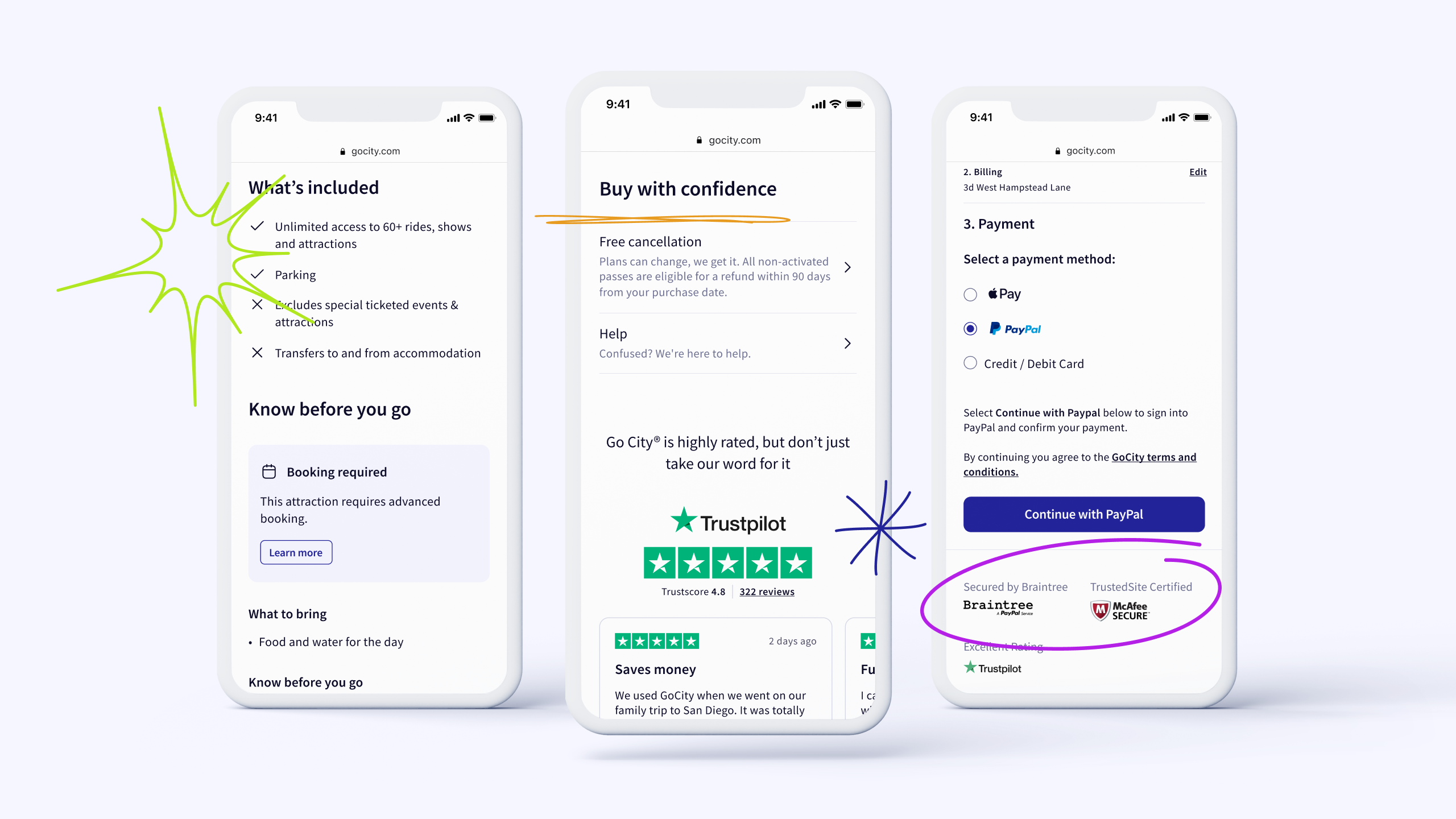
Three moments of reassurance: (1) What's included and what to know in advance, (2) "Buy with Confidence" with 90-day guarantee and prominent Trustpilot reviews, (3) clear terms and security signals at checkout.
Mobile App Redesign
4. A travel companion that guides the trip
How we improved the app experience
- Clear onboarding explaining how and when the pass activates
- Transparent pass status and activation logic
- Easier attraction discovery through lists, maps and filters
- Booking requirements and opening hours shown upfront
- Warm empty states and moments of personality to support users along the way
The app shifted from feeling ambiguous to acting like a real travel companion, giving travellers clarity at every step and reducing confusion during their trip.
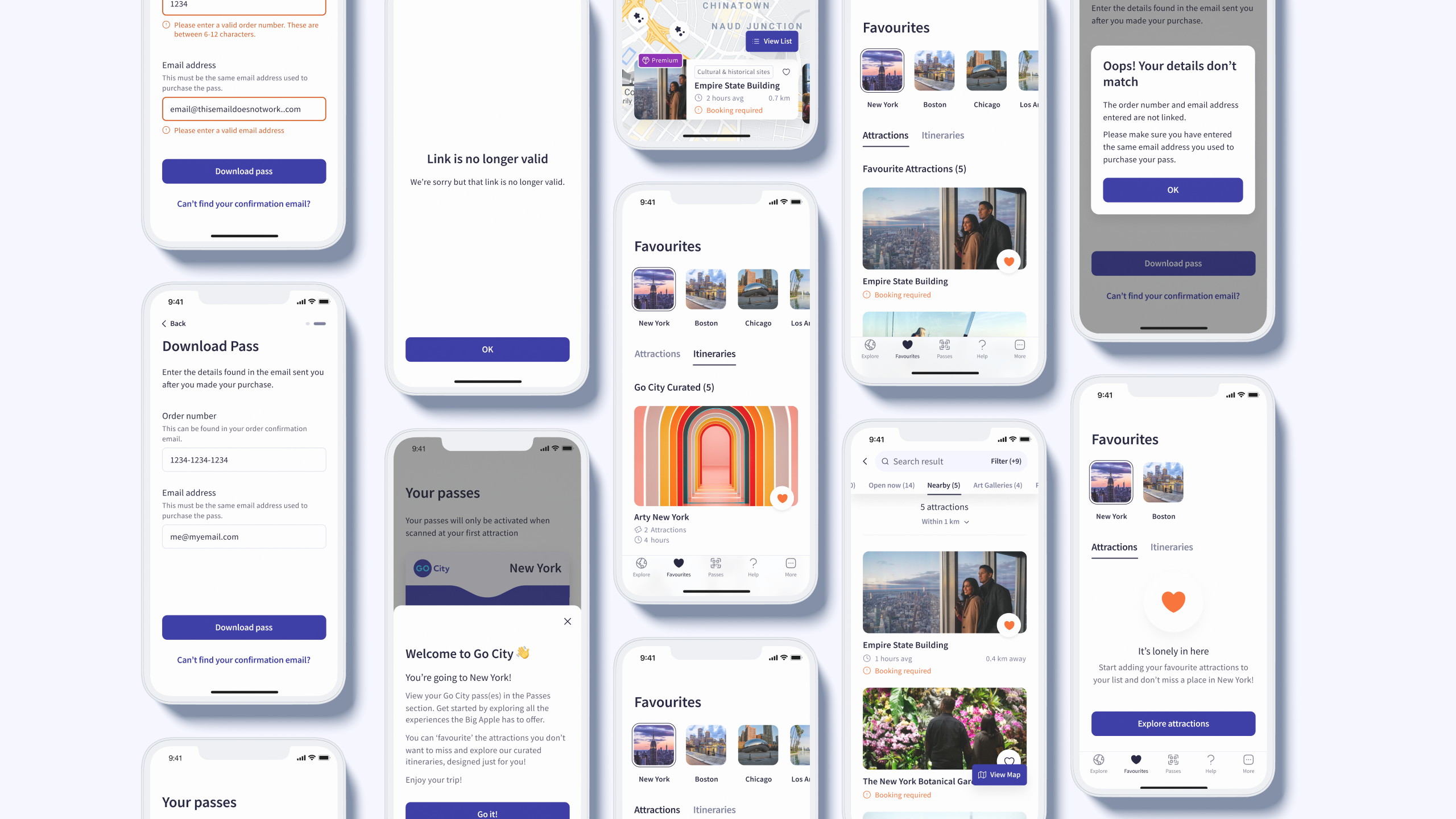
App redesign across key journeys: pass download with clear error handling and confirmation, favourites for saving attractions and itineraries (with warm empty states inviting users to start exploring), map view for location-based discovery, filtered attraction lists (nearby, open now, categories), and favourites organised by city for easy trip planning.
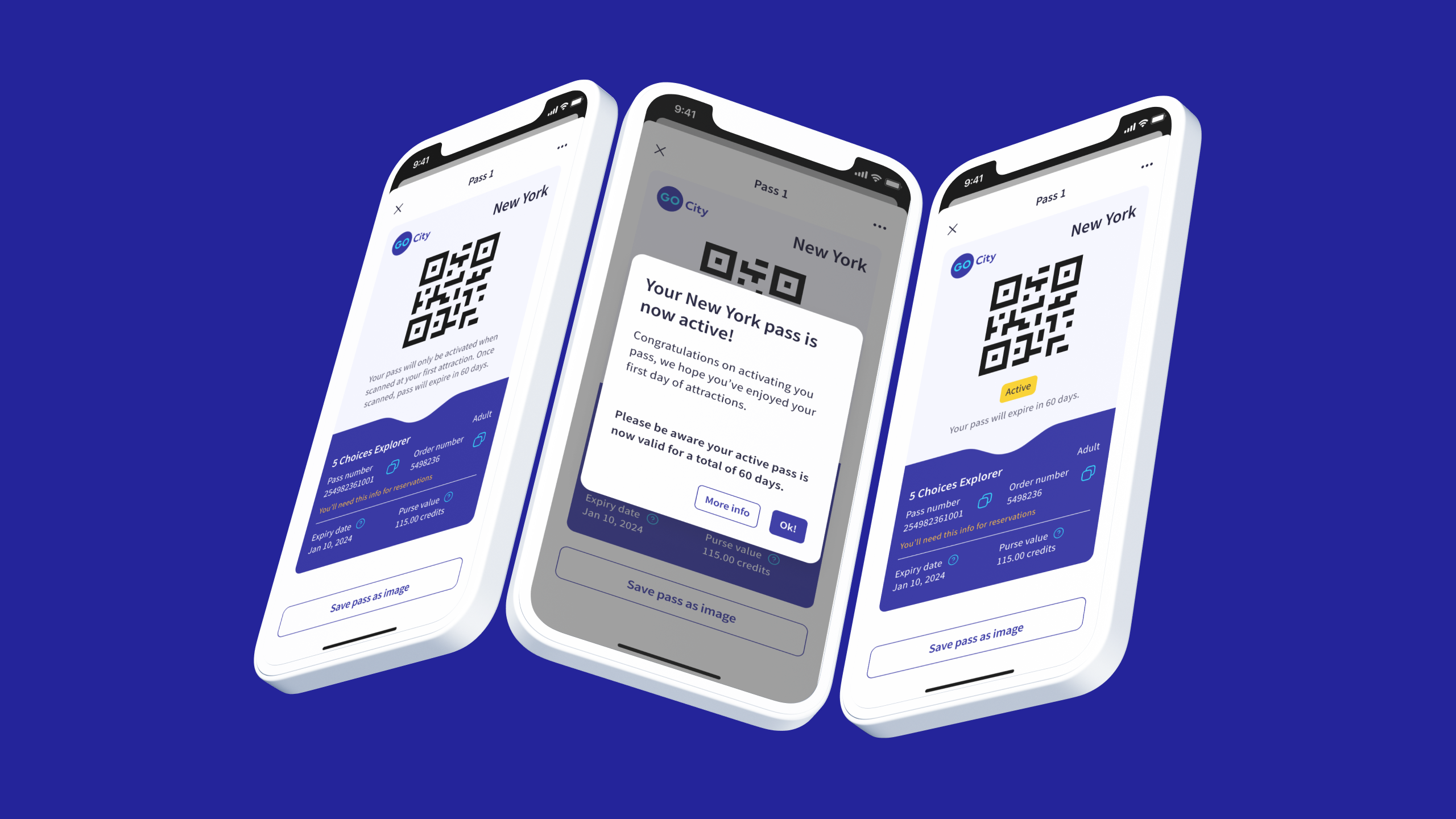
(1) Pass activation clarity: passes remain inactive after download until scanned at the first attraction. Clear messaging confirms activation and shows validity period based on pass type.
(2) Adding personality: favourite button animation concept bringing character to user interactions.
Brand and Design System Evolution
5. When every city felt like a different company
City pages looked and behaved differently across the product. Layouts, hierarchy and content patterns were inconsistent, and buried details made basic information hard to find. The visual design also came directly from marketing assets, which looked strong in campaigns but did not translate into accessible or scalable product UI.
I worked across Product, Brand and Marketing to evolve the digital brand, rebuild the foundations of the design system.
How we unified the experience
- Built a modular component library that worked across 30+ cities
- Unified navigation and harmonised layouts, spacing, colour and typography
- Adjusted brand colours for AA accessibility while maintaining recognition
- Optimised typography and hierarchy for readability across screens
- Created illustration, photography and content guidelines for digital use
- Systematised every component so future teams could scale consistently
What changed
The experience became coherent across the entire ecosystem.
New cities could be launched in weeks instead of months, and users described the redesigned interface as more premium, clearer and more trustworthy.
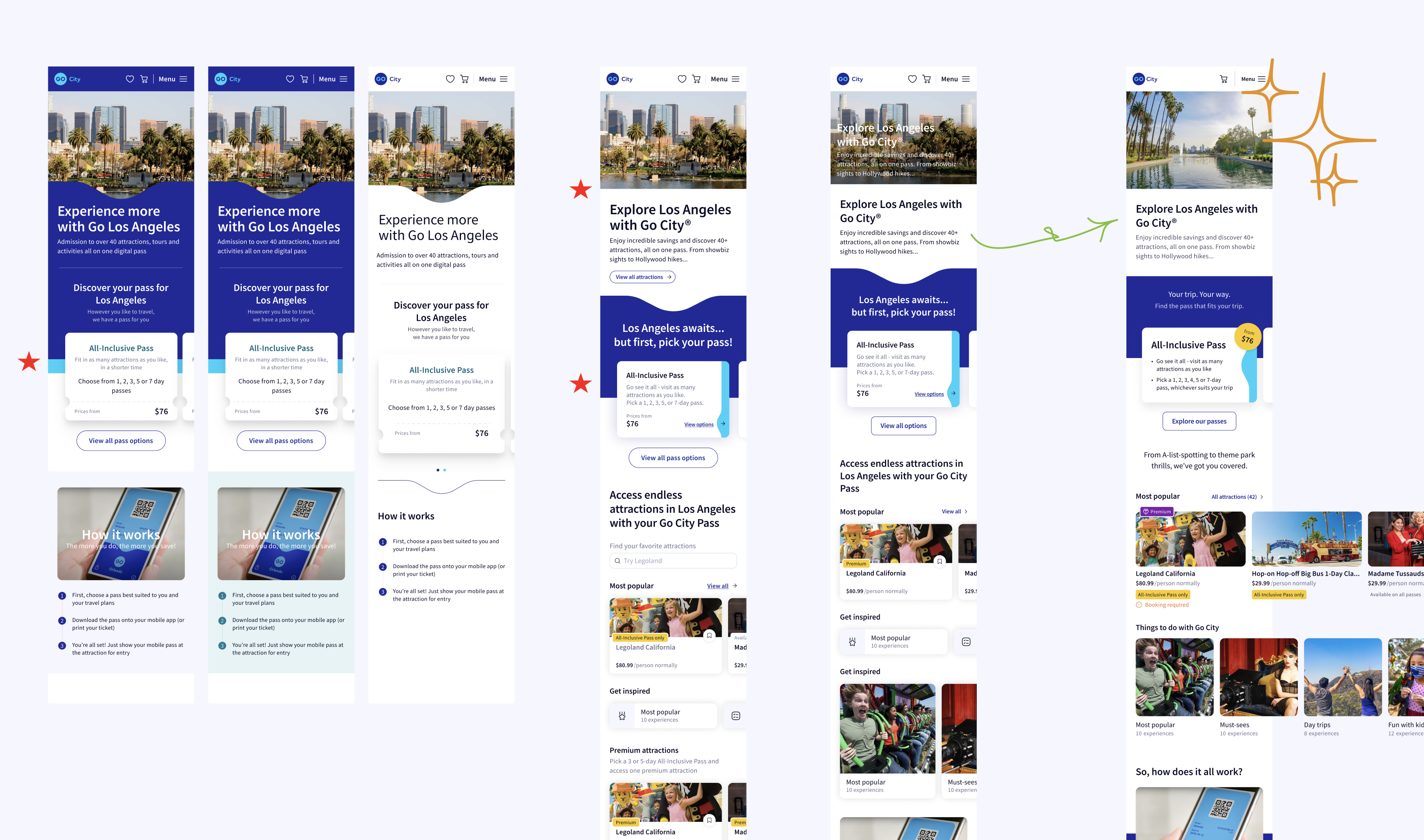

Exploring layouts and hierarchy: testing different approaches for city homepage and attraction page to find the right balance of brand elements, content clarity, visual rhythm, and progressive information disclosure.
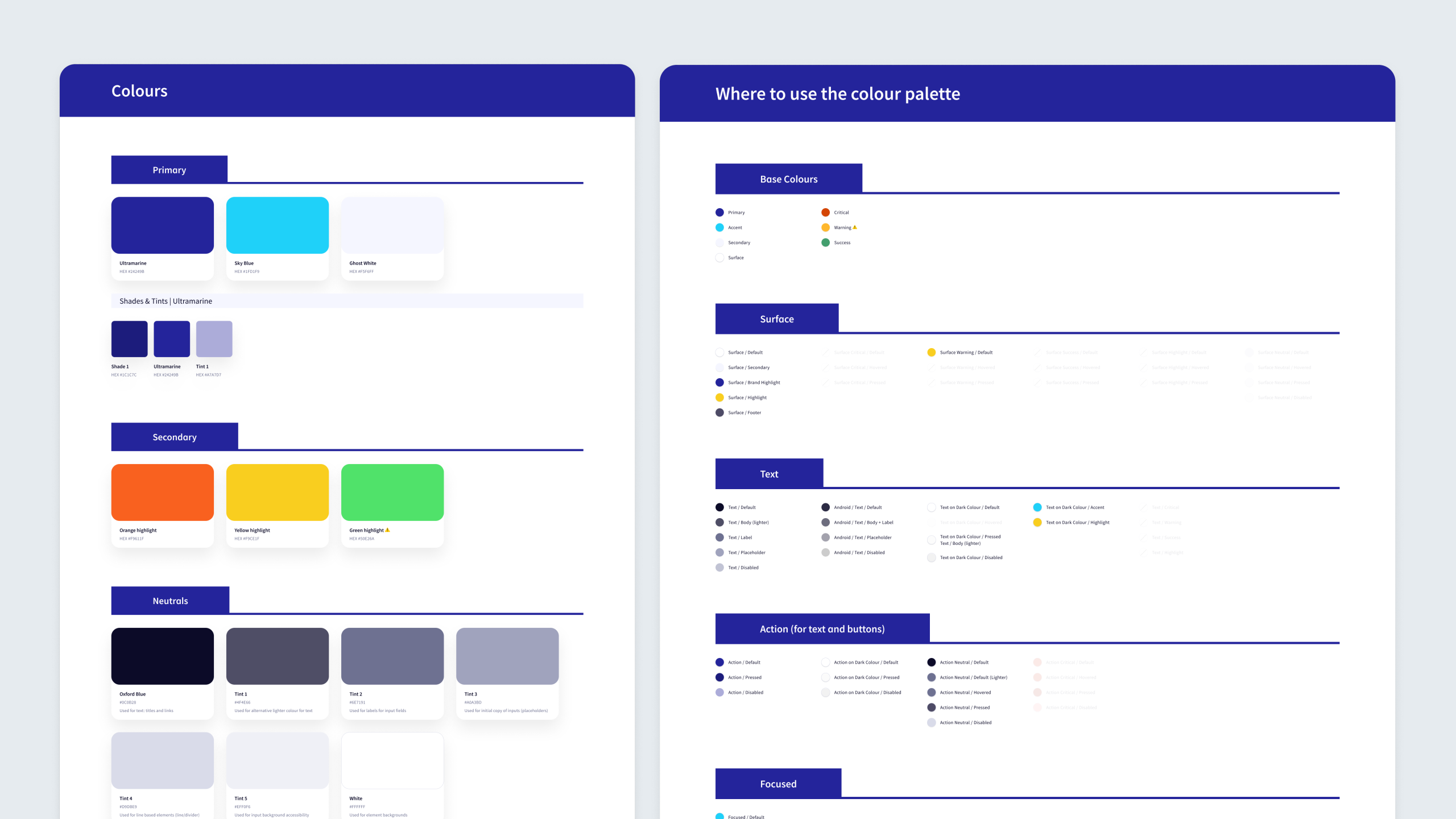
Design system and foundation built from scratch: the design DNA that enabled faster design iteration and scalable development as new cities and features launched in subsequent phases.
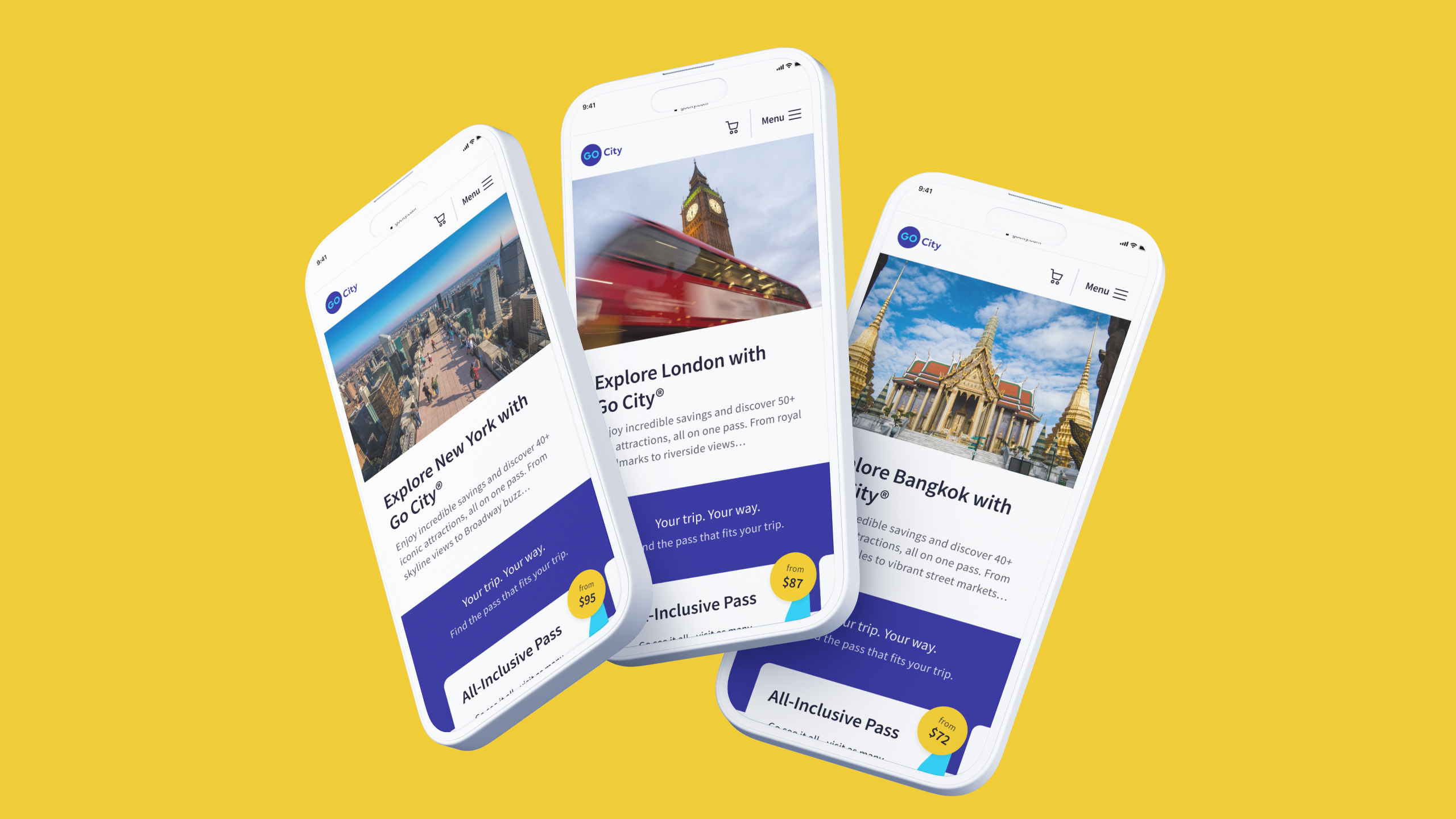
Scalable consistency across 30+ cities with unified navigation and layout, flexible for each destination's unique content.
Cross-Team Alignment
6. Bringing many voices into one direction
Brand, Marketing, SEO, Product and Engineering all had valid but competing priorities.
My contribution
- Defined shared product principles
- Facilitated alignment sessions
- Guided Product Designers and Engineers through the new system
- Mapped decisions across teams to avoid divergence
- Protected clarity, trust and scale as the core foundations
A coherent product direction that multiple teams could deliver confidently.
Prioritisation
Setting the product up for long-term growth
We prioritised clarity, trust and IA foundations first. Without fixing the core experience, any new features (especially recommendation logic or inspiration surfaces) would have amplified confusion instead of solving it. Once the foundations were stable and consistent across cities, we could safely introduce more supportive and personalised layers.
Now
- Clarity
- Trust patterns
- IA foundations
Next
- Recommended Pass
- Inspiration surfaces
Later
- City-level theming
- Dark mode
- Personalised planning
Strategy depth

What users told us when we tested
Created interactive prototypes and tested at multiple stages with 10 participants.
Key validation moments:
- Attraction-first approach: "This makes so much more sense!"
- Pass comparison: Significantly reduced confusion
- Trust signals: Noticeable increase in confidence
- Visual design: "More premium" and "easier to scan"
Critical iteration
After impression testing, we redesigned the attraction listing page, the only one still causing confusion. It tried to do too much at once, so we refocused it on attractions, added clearer filters, and made “Get Inspired” content easier to find.
The trade-off we made
Moved "Recommend a Pass" feature to backlog after testing revealed users thought shortlisted attractions were final selections, which fundamentally broke the pass model. Shipping something confusing would have been worse than not shipping it at all.
What changed
For users
- Pass options finally made sense, with confident decisions in under 30 seconds
- Attraction discovery aligned with how people actually search and plan
- Trust signals made the experience feel legitimate and premium
- App transformed from confusing to confident
For Go City
- City launch time reduced from months to weeks
- Scalable design system now powering web, mobile, and B2B platforms
- Faster, more cost-effective design and development processes
- Foundation for continuous iteration and growth
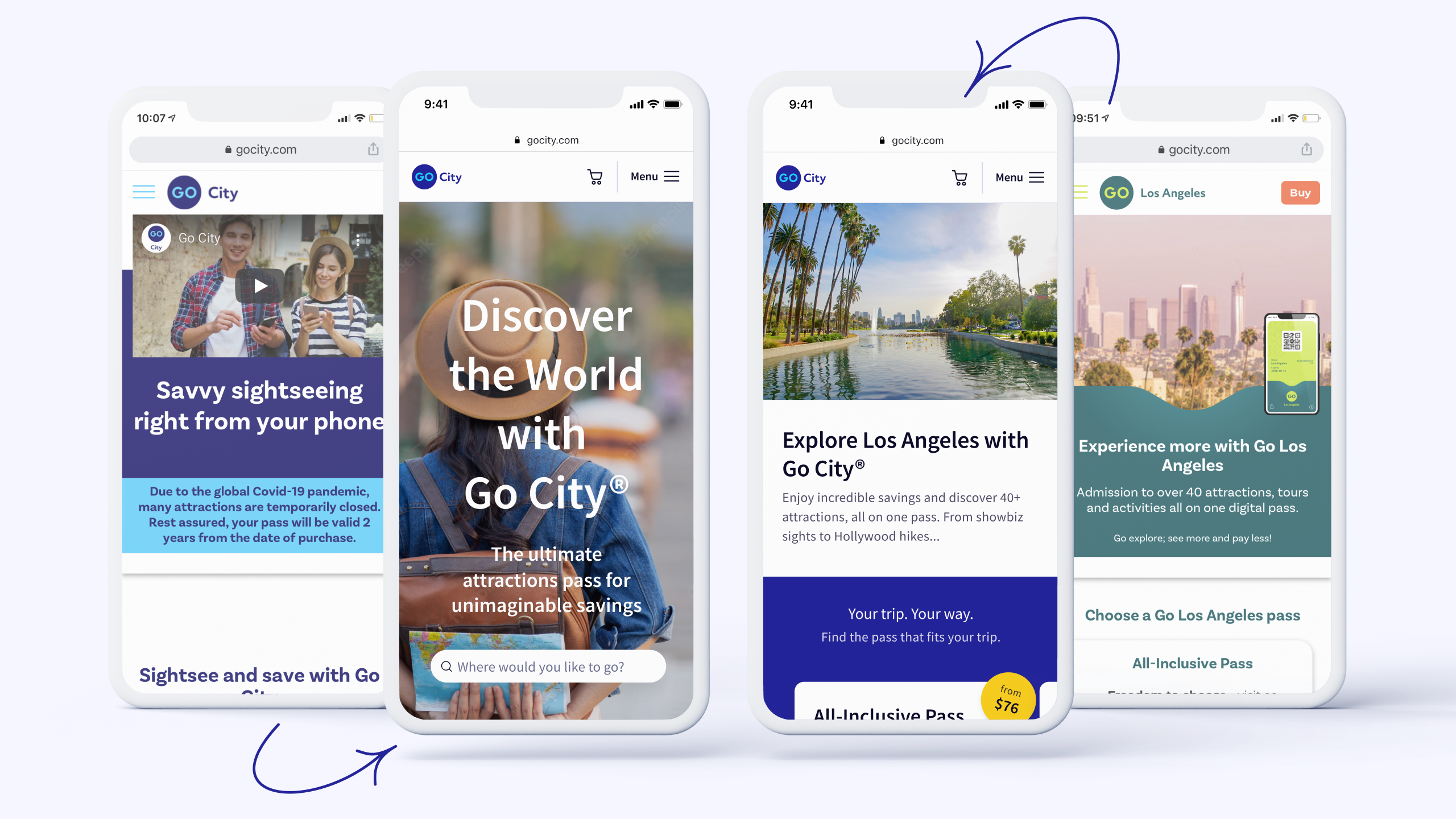
Transformation of global and city homepages: original designs with brand misalignment and accessibility issues (outer screens) versus redesigned solution with cohesive branding, accessible design, and clear content hierarchy (centre screens).
What came after launch
The system supported continuous evolution, including new newsletter templates, a refreshed blog experience and features like Recommended Pass and dark mode. The structure allowed Go City teams to build confidently and consistently.
If I could revisit this project
- I'd have involved content strategists earlier in the IA restructure
- I'd have documented design decisions more thoroughly for inheriting teams
- I'd have advocated for post-launch A/B testing to validate impact
What I learned
- Clarity is the foundation of trust
- Alignment is essential design work
- Saying no protects the experience
- Systems create autonomy
- Principles outperform rigid rules
Full reflections
From confusion to confidence
one city at a time.
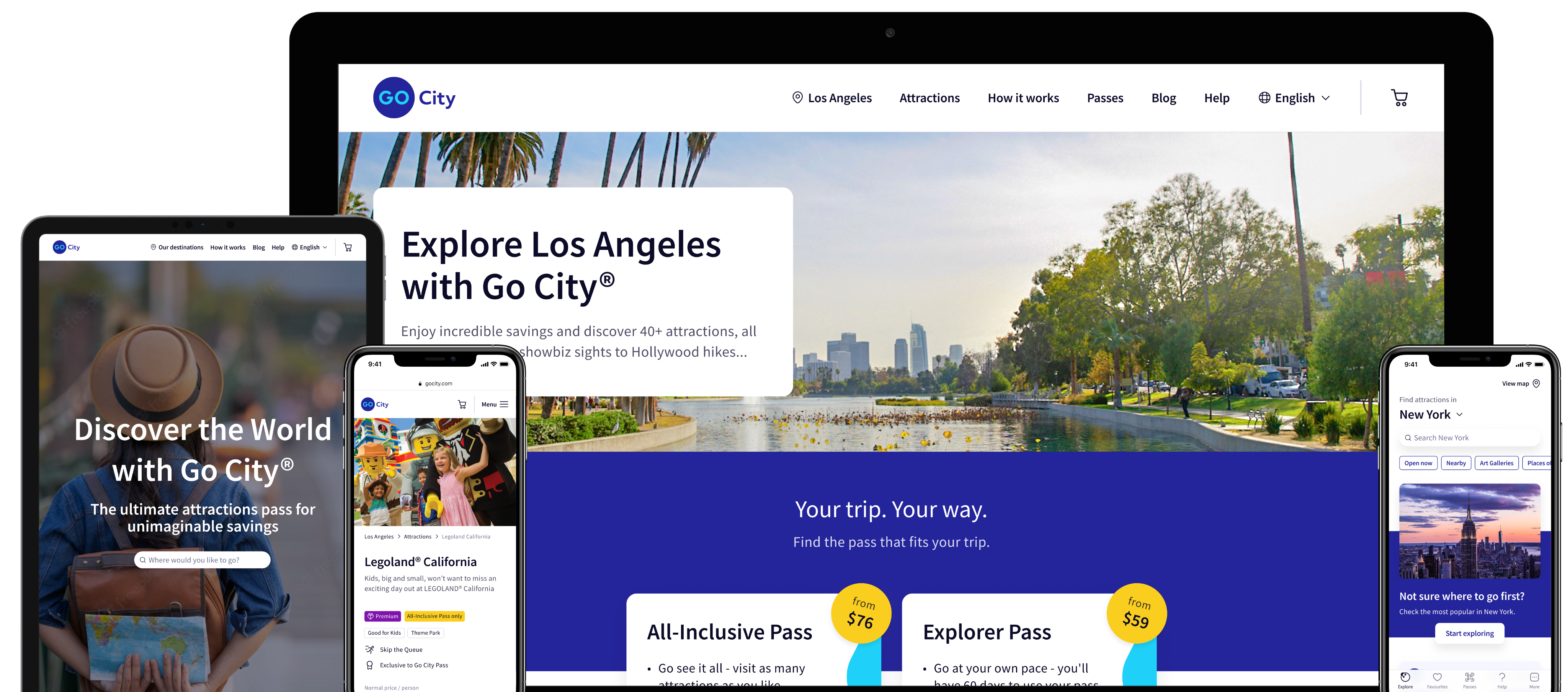
Other work
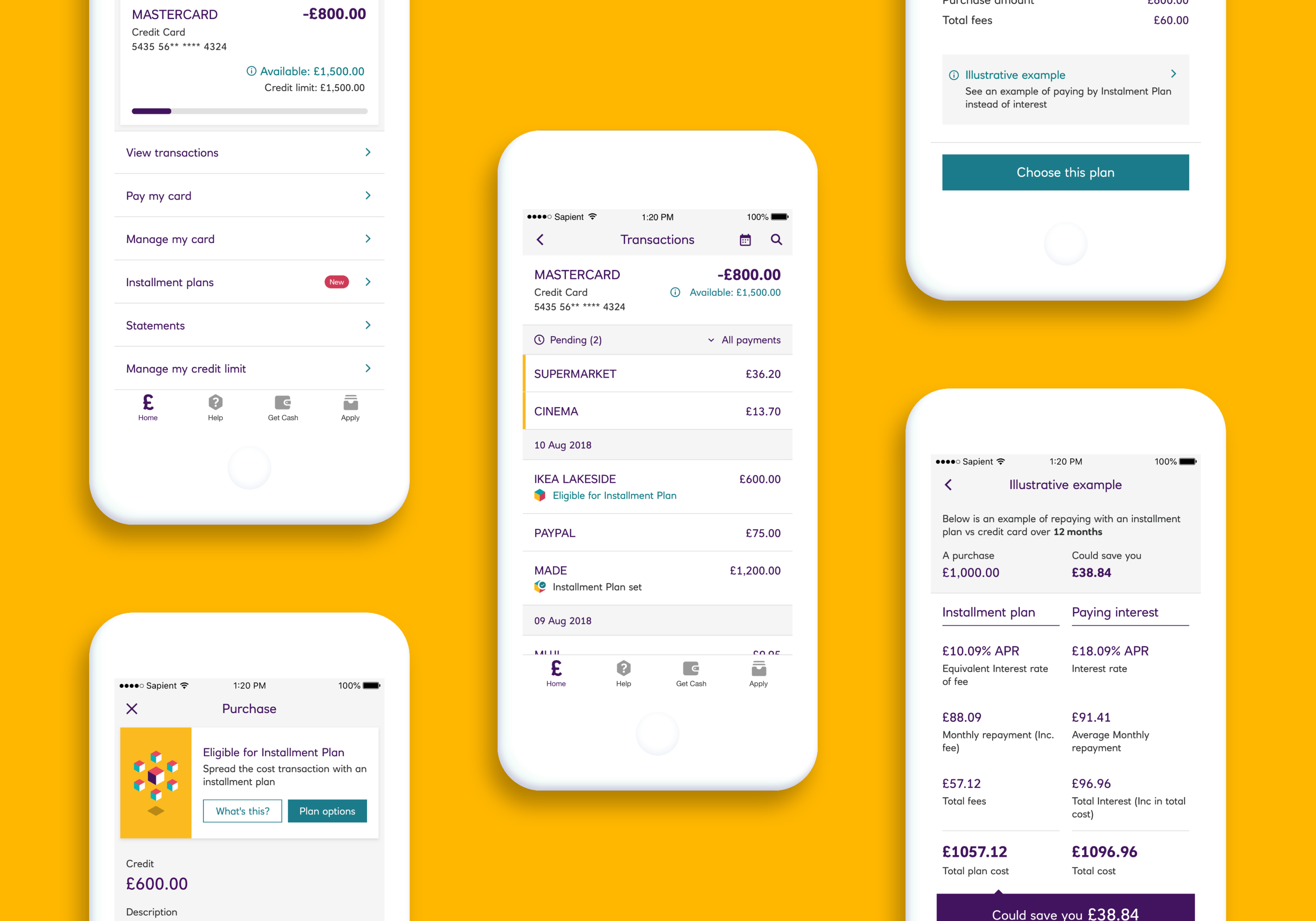
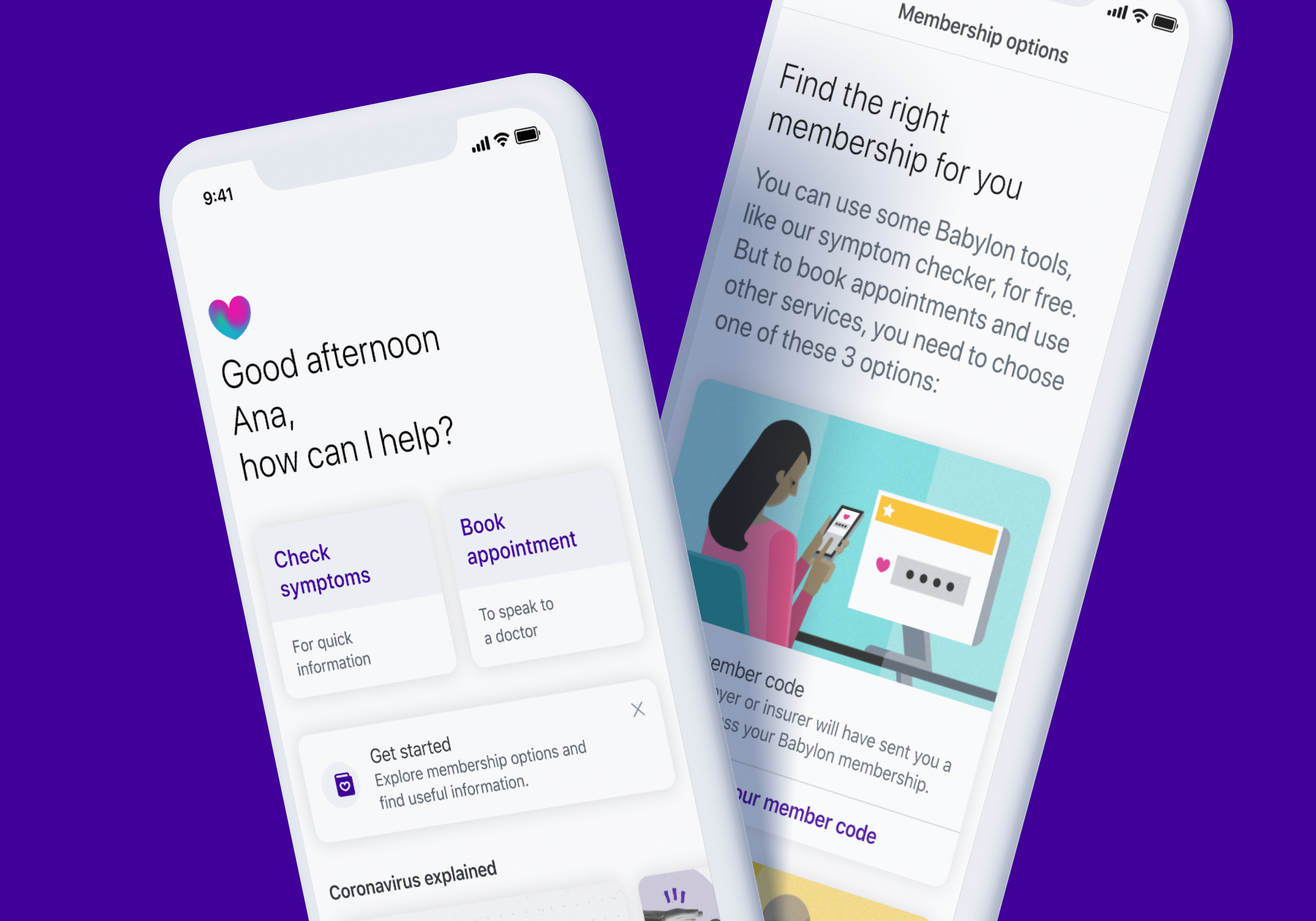
Babylon Health
Helping new Babylon users learn, compare, and activate the right plan for their needs.
Go City
Redesigning the world’s largest sightseeing passfor clarity, trust and scale
Travel & Tourism
2021–2023
The crew & the stage
Platform
Web, iOS, Android, B2B
Role
Lead Product Designer
Team
3 Experience Designers/Researchers, 2 Product Designers, PM, PO, Brand & Marketing leads, SEO, Engineering teams
Go City connects travellers with more than 1,300 attractions across 30 global destinations. The potential was huge but the digital experience was not keeping up. Passes were confusing, trust signals were hidden, each city felt different and the app left people unsure about what they had bought or how to use it. The design system could not support the speed and scale the business needed.
I co-led the strategic redesign of Go City’s web and mobile experience. I shaped direction, guided other designers, partnered across Brand, Marketing, SEO, Product and Engineering and built a scalable system that now support every new city and product iteration.
This case study focuses on how we rebuilt the experience for clarity, trust and global scale.
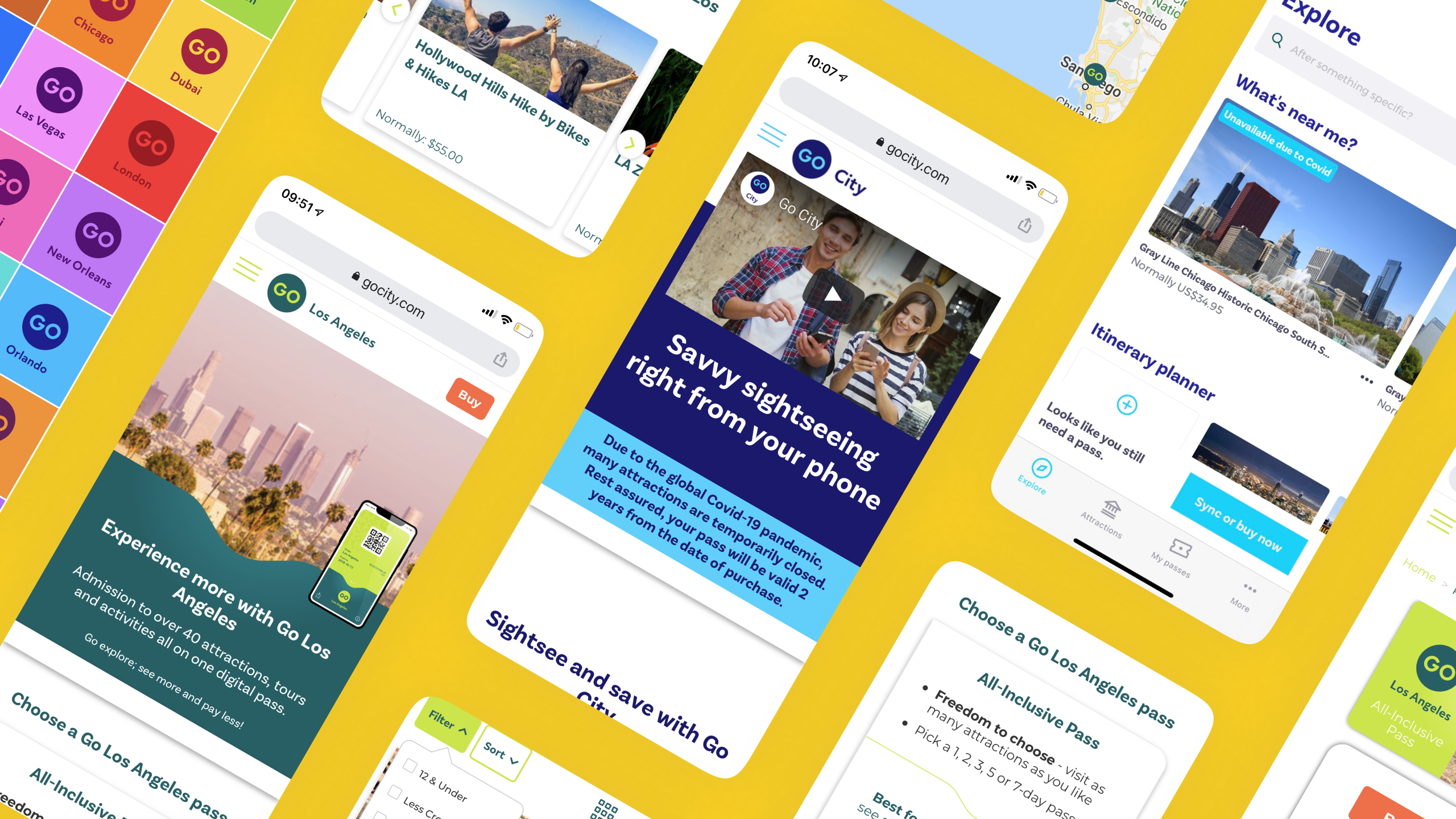
Before the redesign: every city felt like a different product, messaging was unclear and essential information was buried, making the journey feel uncertain and hard to trust.
What we unlocked
Faster decisions
Users could choose the right pass with confidence in under 30 seconds
Smarter discovery
Attraction-first IA matched real planning behaviour and reduced friction across the funnel
Higher trust
New trust moments increased perceived legitimacy and transparency
A helpful App
The app became a helpful travel companion rather than a confusing tool
Scalable System
The new design system created consistency across more than 30 cities
Faster delivery
Faster and more cost-effective design and development cycles
Product-Ready Brand
Brand system became accessible, coherent and product-ready
This was not a visual refresh. It was a complete product transformation across discovery, purchase, app usage, brand expression and design system foundations. The work required clarity, alignment and decisions that balanced user needs with business realities at a global scale.
How I led this work
I shaped the product direction across web, app and B2B by unifying insights from multiple teams into a single, scalable design system for 30+ cities.
Product direction anddesign leadership
Set the visual and interaction direction across platforms, ensured consistency, and guided other designers through new patterns and system foundations.
Co-owning theend-to-end experience
Worked closely with the Experience Design Lead to map journeys from discovery to purchase. We shaped flows, hierarchy and content behaviour, and rebuilt the IA around how travellers plan their trips.
Evolving the brand for product use
Translated marketing assets into an accessible digital language. Updated colour, type and component principles to work across all screens.
Building for scale
Created the design system powering web, app and B2B. Ensured reusable patterns, accessible components and faster delivery across surfaces and teams.
Embedding accessibilityand inclusivity
Drove AA standards across colour, typography and interactions. Coached teams on accessible decision-making throughout the project.
Cross-team alignmentand decision-making
Partnered with Brand, Marketing, SEO, Product and Engineering. Facilitated alignment, resolved conflicting proposals and created a shared vision for the experience.
Managing complexity acrossmultiple workstreams
Handled six problem areas running in parallel. Rebuilt trust patterns, clarified pass comparisons, redesigned the app, evolved the brand system and defined Now, Next and Later for long-term growth.
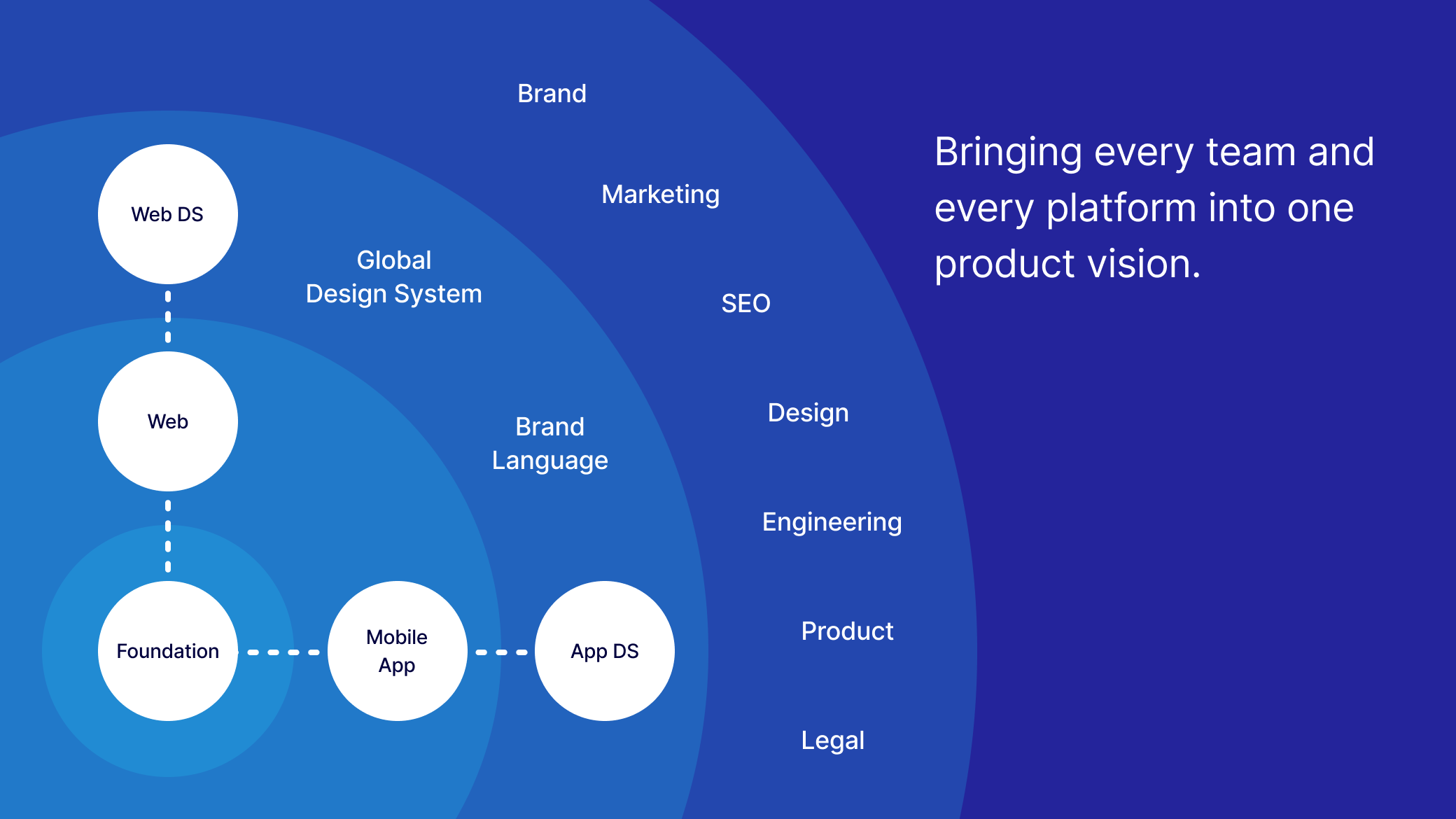
A multi-layered diagram showing how Foundation, Web, App and two Design Systems connect to the wider Brand Language and Global Design System. Surrounding the diagram are all contributing teams, highlighting cross-functional collaboration across Brand, Marketing, SEO, Product, Engineering, Legal and Design.
Clarity and Conversion
1. Making pass decisions simple
Travellers struggled to understand the difference between pass types and feared buying the wrong one.
After reviewing several conflicting proposals, I aligned stakeholders around a clearer direction and rebuilt the comparison experience from the ground up.
“I don't understand the difference between these passes. What if I buy the wrong one?”
Customer, usability testing
How we clarified it
- Side-by-side comparison that made pricing, features and included attractions easy to scan
- Clear behavioural explanation:
- Explorer = choose X attractions
- All-Inclusive = visit for X days
- Surface-level clarity for speed, with deeper detail available on demand
- Component structure scalable across every city page
Confident decisions in less than 30 seconds
The redesigned pass exploration flow helping users compare options and understand exactly what they're buying.
reshaping the IA
2. Giving people what they actually came for
Research and SEO data showed that travellers arrived looking for attractions, not passes. Yet the site forced them to start with pass types, making people work backwards.
I aligned Brand, SEO and Product teams around reshaping the IA to reflect real user intent and prioritised clarity over marketing density.
“I want to know what attractions I can visit, then decide if a pass is worth it.”
Customer, usability testing
How we redesigned it
- Rebuilt the IA so attractions became the primary entry point
- Immediate access to all attractions with filtering by category, location and opening times
- Curated itineraries for inspiration
- Clear pass eligibility indicators on each attraction
- Content structure designed to scale consistently across all cities
What changed
The journey aligned with how people actually think: “I want to visit attractions. A pass is simply the best way to do it.”
The new structure reduced friction, supported SEO and gave travellers a clearer mental model from the start.
The redesigned city homepage: brief pass overview at the top, then attractions front and centre with clear pass indicators, curated itineraries for inspiration, and filtering by category and location.
Trust and Transparency
3. Confidence at every step
Hidden reviews, unclear terms and vague booking requirements made the experience feel untrustworthy. Users struggled to understand what they were paying for, and reassurance surfaced too late in the journey.
I partnered with Brand, Legal and Marketing to prioritise transparency over promotional copy and redesign the trust moments across the entire funnel.
“How do I know this isn’t a scam? The reviews feel hidden and the terms are confusing.”
Customer, usability testing
How we rebuilt trust
- Prominent Trustpilot integration with meaningful hierarchy
- A new “Buy with Confidence” module with 90-day cancellation and customer support
- Clear “What’s included” and “What to know” sections for every attraction
- Transparent booking requirements surfaced proactively
- Stronger security and reassurance signals throughout checkout
- Patterns designed to scale seamlessly across all cities
Travellers reported higher confidence in usability testing, recognising the experience as safer, more transparent and more premium.
Three moments of reassurance: (1) What's included and what to know in advance, (2) "Buy with Confidence" with 90-day guarantee and prominent Trustpilot reviews, (3) clear terms and security signals at checkout.
Mobile App Redesign
4. A travel companion that guides the trip
How we improved the app experience
- Clear onboarding explaining how and when the pass activates
- Transparent pass status and activation logic
- Easier attraction discovery through lists, maps and filters
- Booking requirements and opening hours shown upfront
- Warm empty states and moments of personality to support users along the way
The app shifted from feeling ambiguous to acting like a real travel companion, giving travellers clarity at every step and reducing confusion during their trip.
App redesign across key journeys: pass download with clear error handling and confirmation, favourites for saving attractions and itineraries (with warm empty states inviting users to start exploring), map view for location-based discovery, filtered attraction lists (nearby, open now, categories), and favourites organised by city for easy trip planning.
(1) Pass activation clarity: passes remain inactive after download until scanned at the first attraction. Clear messaging confirms activation and shows validity period based on pass type.
(2) Adding personality: favourite button animation concept bringing character to user interactions.
Brand and Design System Evolution
5. When every city felt like a different company
City pages looked and behaved differently across the product. Layouts, hierarchy and content patterns were inconsistent, and buried details made basic information hard to find. The visual design also came directly from marketing assets, which looked strong in campaigns but did not translate into accessible or scalable product UI.
I worked across Product, Brand and Marketing to evolve the digital brand, rebuild the foundations of the design system.
How we unified the experience
- Built a modular component library that worked across 30+ cities
- Unified navigation and harmonised layouts, spacing, colour and typography
- Adjusted brand colours for AA accessibility while maintaining recognition
- Optimised typography and hierarchy for readability across screens
- Created illustration, photography and content guidelines for digital use
- Systematised every component so future teams could scale consistently
What changed
The experience became coherent across the entire ecosystem.
New cities could be launched in weeks instead of months, and users described the redesigned interface as more premium, clearer and more trustworthy.
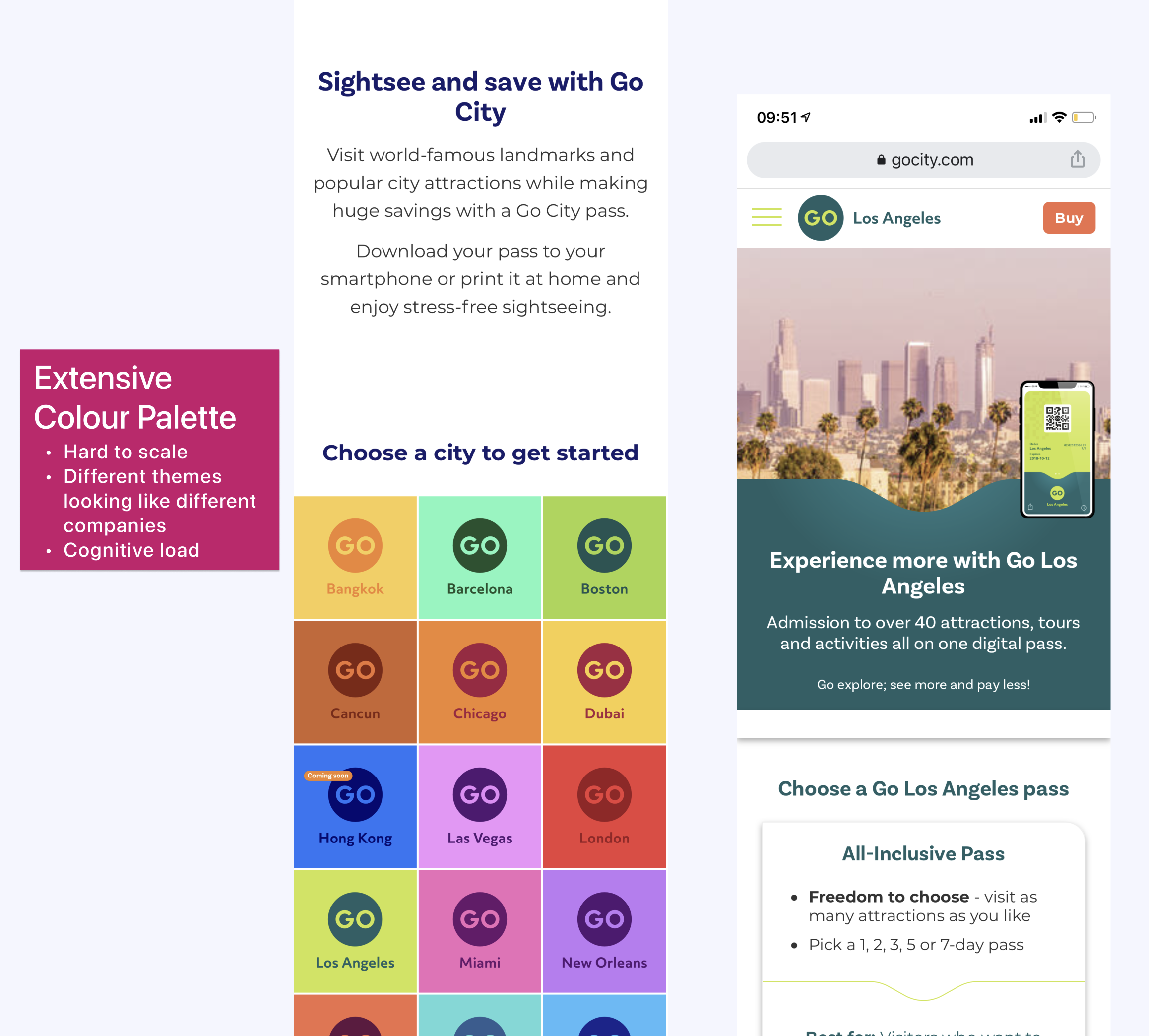
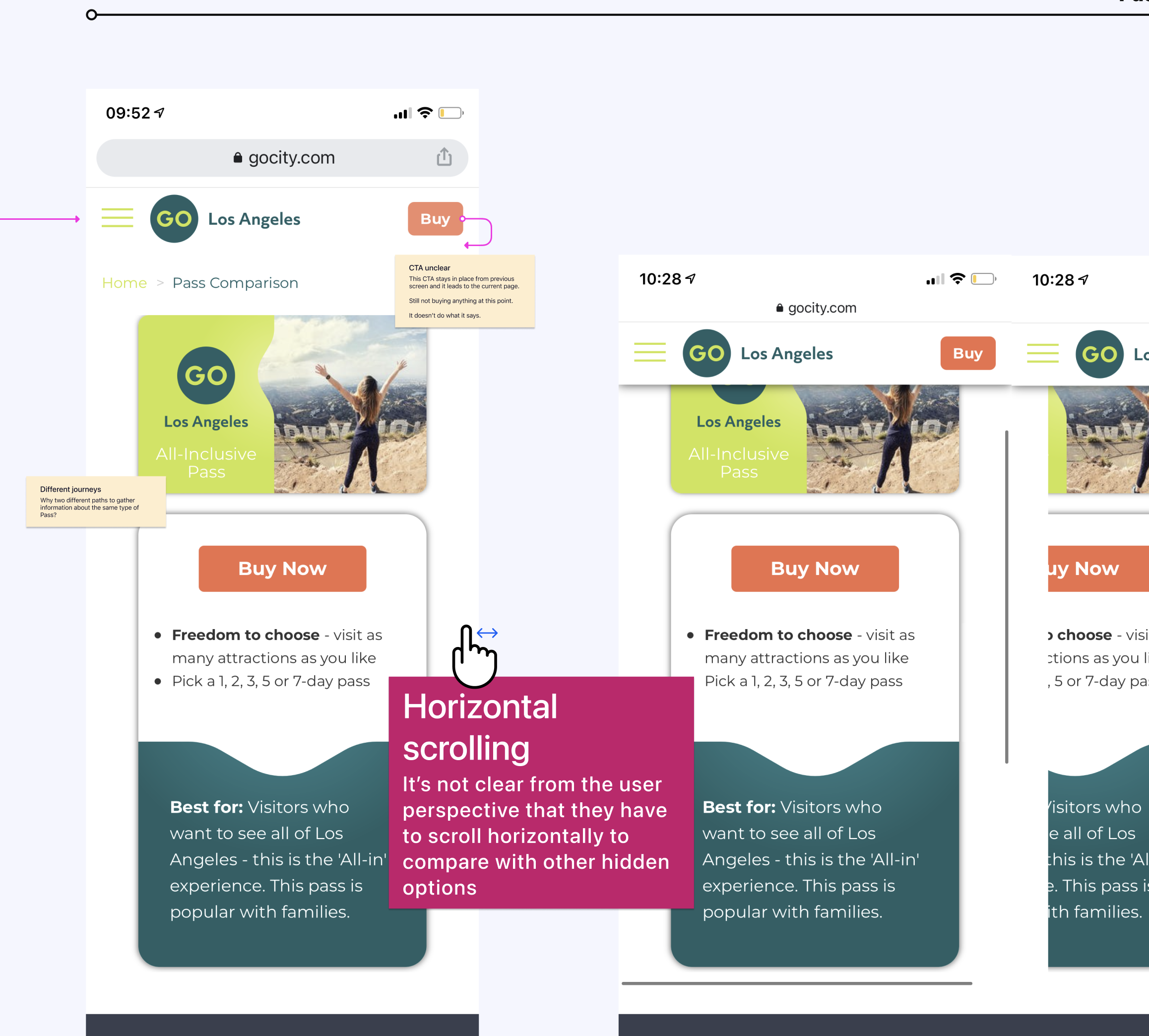
Pre-redesign audit: extensive colour palette theming each city differently (scalability issues, contrast failures), brand inconsistency breaking the coherent experience, and UI issues including horizontal scrolling for pass comparison with no visual indicators for hidden content.
Exploring layouts and hierarchy: testing different approaches for city homepage and attraction page to find the right balance of brand elements, content clarity, visual rhythm, and progressive information disclosure.
Design system and foundation built from scratch: the design DNA that enabled faster design iteration and scalable development as new cities and features launched in subsequent phases.
Scalable consistency across 30+ cities with unified navigation and layout, flexible for each destination's unique content.
Cross-Team Alignment
6. Bringing many voices into one direction
Brand, Marketing, SEO, Product and Engineering all had valid but competing priorities.
My contribution
- Defined shared product principles
- Facilitated alignment sessions
- Guided Product Designers and Engineers through the new system
- Mapped decisions across teams to avoid divergence
- Protected clarity, trust and scale as the core foundations
A coherent product direction that multiple teams could deliver confidently.
Prioritisation
Setting the product up for long-term growth
We prioritised clarity, trust and IA foundations first. Without fixing the core experience, any new features (especially recommendation logic or inspiration surfaces) would have amplified confusion instead of solving it. Once the foundations were stable and consistent across cities, we could safely introduce more supportive and personalised layers.
Now
- Clarity
- Trust patterns
- IA foundations
Next
- Recommended Pass
- Inspiration surfaces
Later
- City-level theming
- Dark mode
- Personalised planning
Strategy depth
What users told us when we tested
Created interactive prototypes and tested at multiple stages with 10 participants.
Key validation moments:
- Attraction-first approach: "This makes so much more sense!"
- Pass comparison: Significantly reduced confusion
- Trust signals: Noticeable increase in confidence
- Visual design: "More premium" and "easier to scan"
Critical iteration
After impression testing, we redesigned the attraction listing page, the only one still causing confusion. It tried to do too much at once, so we refocused it on attractions, added clearer filters, and made “Get Inspired” content easier to find.
The trade-off we made
Moved "Recommend a Pass" feature to backlog after testing revealed users thought shortlisted attractions were final selections, which fundamentally broke the pass model. Shipping something confusing would have been worse than not shipping it at all.
What changed
For users
- Pass options finally made sense, with confident decisions in under 30 seconds
- Attraction discovery aligned with how people actually search and plan
- Trust signals made the experience feel legitimate and premium
- App transformed from confusing to confident
For Go City
- City launch time reduced from months to weeks
- Scalable design system now powering web, mobile, and B2B platforms
- Faster, more cost-effective design and development processes
- Foundation for continuous iteration and growth
Transformation of global and city homepages: original designs with brand misalignment and accessibility issues (outer screens) versus redesigned solution with cohesive branding, accessible design, and clear content hierarchy (centre screens).
What came after launch
The system supported continuous evolution, including new newsletter templates, a refreshed blog experience and features like Recommended Pass and dark mode. The structure allowed Go City teams to build confidently and consistently.
If I could revisit this project
- I'd have involved content strategists earlier in the IA restructure
- I'd have documented design decisions more thoroughly for inheriting teams
- I'd have advocated for post-launch A/B testing to validate impact
What I learned
- Clarity is the foundation of trust
- Alignment is essential design work
- Saying no protects the experience
- Systems create autonomy
- Principles outperform rigid rules
Full reflections
From confusion to confidence
one city at a time.
Other work
Babylon Health
Helping new Babylon users learn, compare, and activate the right plan for their needs.
Go City
Redesigning the world’s largest sightseeing passfor clarity, trust and scale
Travel & Tourism
2021–2023
The crew & the stage
Platform
Web, iOS, Android, B2B
Role
Lead Product Designer
Team
3 Experience Designers/Researchers, 2 Product Designers, PM, PO, Brand & Marketing leads, SEO, Engineering teams
Go City connects travellers with more than 1,300 attractions across 30 global destinations. The potential was huge but the digital experience was not keeping up. Passes were confusing, trust signals were hidden, each city felt different and the app left people unsure about what they had bought or how to use it. The design system could not support the speed and scale the business needed.
I co-led the strategic redesign of Go City’s web and mobile experience. I shaped direction, guided other designers, partnered across Brand, Marketing, SEO, Product and Engineering and built a scalable system that now support every new city and product iteration.
This case study focuses on how we rebuilt the experience for clarity, trust and global scale.
Before the redesign: every city felt like a different product, messaging was unclear and essential information was buried, making the journey feel uncertain and hard to trust.
What we unlocked

Faster decisions
Users could choose the right pass with confidence in under 30 seconds

Smarter discovery
Attraction-first IA matched real planning behaviour and reduced friction across the funnel

Higher trust
New trust moments increased perceived legitimacy and transparency

A helpful App
The app became a helpful travel companion rather than a confusing tool

Scalable System
The new design system created consistency across more than 30 cities

Faster delivery
Faster and more cost-effective design and development cycles
Product-Ready Brand
Brand system became accessible, coherent and product-ready
This was not a visual refresh. It was a complete product transformation across discovery, purchase, app usage, brand expression and design system foundations. The work required clarity, alignment and decisions that balanced user needs with business realities at a global scale.
How I led this work
I shaped the product direction across web, app and B2B by unifying insights from multiple teams into a single, scalable design system for30+ cities.
Product direction anddesign leadership
Set the visual and interaction direction across platforms, ensured consistency, and guided other designers through new patterns and system foundations.
Co-owning theend-to-end experience
Worked closely with the Experience Design Lead to map journeys from discovery to purchase. We shaped flows, hierarchy and content behaviour, and rebuilt the IA around how travellers plan their trips.
Evolving the brand for product use
Translated marketing assets into an accessible digital language. Updated colour, type and component principles to work across all screens.
Building for scale
Created the design system powering web, app and B2B. Ensured reusable patterns, accessible components and faster delivery across surfaces and teams.
Embedding accessibilityand inclusivity
Drove AA standards across colour, typography and interactions. Coached teams on accessible decision-making throughout the project.
Cross-team alignmentand decision-making
Partnered with Brand, Marketing, SEO, Product and Engineering. Facilitated alignment, resolved conflicting proposals and created a shared vision for the experience.
Managing complexity acrossmultiple workstreams
Handled six problem areas running in parallel. Rebuilt trust patterns, clarified pass comparisons, redesigned the app, evolved the brand system and defined Now, Next and Later for long-term growth.
A multi-layered diagram showing how Foundation, Web, App and two Design Systems connect to the wider Brand Language and Global Design System. Surrounding the diagram are all contributing teams, highlighting cross-functional collaboration across Brand, Marketing, SEO, Product, Engineering, Legal and Design.
Clarity and Conversion
1. Making pass decisions simple
Travellers struggled to understand the difference between pass types and feared buying the wrong one.
After reviewing several conflicting proposals, I aligned stakeholders around a clearer direction and rebuilt the comparison experience from the ground up.
“I don't understand the difference between these passes. What if I buy the wrong one?”
Customer, usability testing
How we clarified it
- Side-by-side comparison that made pricing, features and included attractions easy to scan
- Clear behavioural explanation:
- Explorer = choose X attractions
- All-Inclusive = visit for X days
- Surface-level clarity for speed, with deeper detail available on demand
- Component structure scalable across every city page
Confident decisions in less than 30 seconds
The redesigned pass exploration flow helping users compare options and understand exactly what they're buying.
reshaping the IA
2. Giving people what they actually came for
Research and SEO data showed that travellers arrived looking for attractions, not passes. Yet the site forced them to start with pass types, making people work backwards.
I aligned Brand, SEO and Product teams around reshaping the IA to reflect real user intent and prioritised clarity over marketing density.
“I want to know what attractions I can visit, then decide if a pass is worth it.”
Customer, usability testing
How we redesigned it
- Rebuilt the IA so attractions became the primary entry point
- Immediate access to all attractions with filtering by category, location and opening times
- Curated itineraries for inspiration
- Clear pass eligibility indicators on each attraction
- Content structure designed to scale consistently across all cities
What changed
The journey aligned with how people actually think: “I want to visit attractions. A pass is simply the best way to do it.”
The new structure reduced friction, supported SEO and gave travellers a clearer mental model from the start.
The redesigned city homepage: brief pass overview at the top, then attractions front and centre with clear pass indicators, curated itineraries for inspiration, and filtering by category and location.
Trust and Transparency
3. Confidence at every step
Hidden reviews, unclear terms and vague booking requirements made the experience feel untrustworthy. Users struggled to understand what they were paying for, and reassurance surfaced too late in the journey.
I partnered with Brand, Legal and Marketing to prioritise transparency over promotional copy and redesign the trust moments across the entire funnel.
“How do I know this isn’t a scam? The reviews feel hidden and the terms are confusing.”
Customer, usability testing
How we rebuilt trust
- Prominent Trustpilot integration with meaningful hierarchy
- A new “Buy with Confidence” module with 90-day cancellation and customer support
- Clear “What’s included” and “What to know” sections for every attraction
- Transparent booking requirements surfaced proactively
- Stronger security and reassurance signals throughout checkout
- Patterns designed to scale seamlessly across all cities
Travellers reported higher confidence in usability testing, recognising the experience as safer, more transparent and more premium.
Three moments of reassurance: (1) What's included and what to know in advance, (2) "Buy with Confidence" with 90-day guarantee and prominent Trustpilot reviews, (3) clear terms and security signals at checkout.
Mobile App Redesign
4. A travel companion that guides the trip
How we improved the app experience
- Clear onboarding explaining how and when the pass activates
- Transparent pass status and activation logic
- Easier attraction discovery through lists, maps and filters
- Booking requirements and opening hours shown upfront
- Warm empty states and moments of personality to support users along the way
The app shifted from feeling ambiguous to acting like a real travel companion, giving travellers clarity at every step and reducing confusion during their trip.
App redesign across key journeys: pass download with clear error handling and confirmation, favourites for saving attractions and itineraries (with warm empty states inviting users to start exploring), map view for location-based discovery, filtered attraction lists (nearby, open now, categories), and favourites organised by city for easy trip planning.
(1) Pass activation clarity: passes remain inactive after download until scanned at the first attraction. Clear messaging confirms activation and shows validity period based on pass type.
(2) Adding personality: favourite button animation concept bringing character to user interactions.
Brand and Design System Evolution
5. When every city felt like a different company
City pages looked and behaved differently across the product. Layouts, hierarchy and content patterns were inconsistent, and buried details made basic information hard to find. The visual design also came directly from marketing assets, which looked strong in campaigns but did not translate into accessible or scalable product UI.
I worked across Product, Brand and Marketing to evolve the digital brand, rebuild the foundations of the design system.
How we unified the experience
- Built a modular component library that worked across 30+ cities
- Unified navigation and harmonised layouts, spacing, colour and typography
- Adjusted brand colours for AA accessibility while maintaining recognition
- Optimised typography and hierarchy for readability across screens
- Created illustration, photography and content guidelines for digital use
- Systematised every component so future teams could scale consistently
What changed
The experience became coherent across the entire ecosystem.
New cities could be launched in weeks instead of months, and users described the redesigned interface as more premium, clearer and more trustworthy.
Pre-redesign audit: extensive colour palette theming each city differently (scalability issues, contrast failures), brand inconsistency breaking the coherent experience, and UI issues including horizontal scrolling for pass comparison with no visual indicators for hidden content.
Exploring layouts and hierarchy: testing different approaches for city homepage and attraction page to find the right balance of brand elements, content clarity, visual rhythm, and progressive information disclosure.
Design system and foundation built from scratch: the design DNA that enabled faster design iteration and scalable development as new cities and features launched in subsequent phases.
Scalable consistency across 30+ cities with unified navigation and layout, flexible for each destination's unique content.
Cross-Team Alignment
6. Bringing many voices into one direction
Brand, Marketing, SEO, Product and Engineering all had valid but competing priorities.
My contribution
- Defined shared product principles
- Facilitated alignment sessions
- Guided Product Designers and Engineers through the new system
- Mapped decisions across teams to avoid divergence
- Protected clarity, trust and scale as the core foundations
A coherent product direction that multiple teams could deliver confidently.
Prioritisation
Setting the product up for long-term growth
We prioritised clarity, trust and IA foundations first. Without fixing the core experience, any new features (especially recommendation logic or inspiration surfaces) would have amplified confusion instead of solving it. Once the foundations were stable and consistent across cities, we could safely introduce more supportive and personalised layers.
Now
- Clarity
- Trust patterns
- IA foundations
Next
- Recommended Pass
- Inspiration surfaces
Later
- City-level theming
- Dark mode
- Personalised planning
Strategy depth
What users told uswhen we tested
Created interactive prototypes and tested at multiple stages with 10 participants.
Key validation moments:
- Attraction-first approach: "This makes so much more sense!"
- Pass comparison: Significantly reduced confusion
- Trust signals: Noticeable increase in confidence
- Visual design: "More premium" and "easier to scan"
Critical iteration
After impression testing, we redesigned the attraction listing page, the only one still causing confusion. It tried to do too much at once, so we refocused it on attractions, added clearer filters, and made “Get Inspired” content easier to find.
The trade-off we made
Moved "Recommend a Pass" feature to backlog after testing revealed users thought shortlisted attractions were final selections, which fundamentally broke the pass model. Shipping something confusing would have been worse than not shipping it at all.
What changed
For users
- Pass options finally made sense, with confident decisions in under 30 seconds
- Attraction discovery aligned with how people actually search and plan
- Trust signals made the experience feel legitimate and premium
- App transformed from confusing to confident
For Go City
- City launch time reduced from months to weeks
- Scalable design system now powering web, mobile, and B2B platforms
- Faster, more cost-effective design and development processes
- Foundation for continuous iteration and growth
Transformation of global and city homepages: original designs with brand misalignment and accessibility issues (outer screens) versus redesigned solution with cohesive branding, accessible design, and clear content hierarchy (centre screens).
What came after launch
The system supported continuous evolution, including new newsletter templates, a refreshed blog experience and features like Recommended Pass and dark mode. The structure allowed Go City teams to build confidently and consistently.
If I could revisit this project
- I'd have involved content strategists earlier in the IA restructure
- I'd have documented design decisions more thoroughly for inheriting teams
- I'd have advocated for post-launch A/B testing to validate impact
What I learned
- Clarity is the foundation of trust
- Alignment is essential design work
- Saying no protects the experience
- Systems create autonomy
- Principles outperform rigid rules
Full reflections
From confusion to confidence
one city at a time.